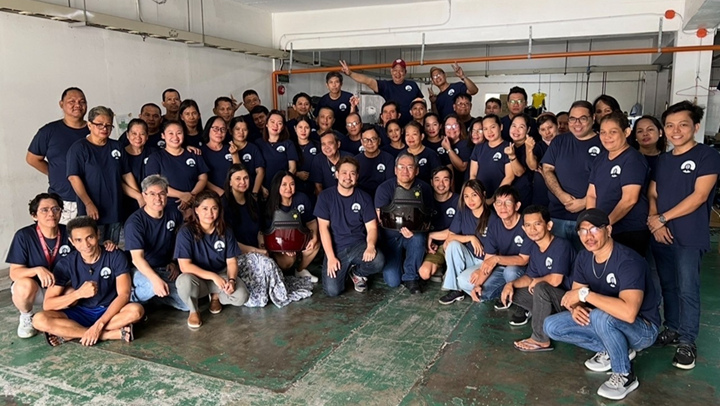

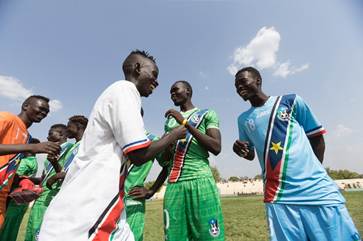
As one of its 20 thematic strategies under the JICA Global Agenda (JGA) JICA has designated “Sport and Development” to help realize “a peaceful world where everyone can enjoy sport.” By harnessing the unique appeal and characteristics of sport, JICA promotes initiatives that make this vision a reality.
This second part introduces two pillars of JICA’s Development through Sport activities:
1. Fostering Healthy Minds and Bodies
2. Promoting Social Inclusion and Peace
▼Part 1 is here
Column: JICA’s Initiatives in “Sport and Development” (Part 1): Development of Sport - JSPIN
Fostering Sound Minds and Bodies: Examples from “Development through Sport”
The “Fostering Sound Minds and Bodies” pillar aims to promote physical activity among people of all ages—helping maintain fitness among the elderly, prevent and mitigate lifestyle-related diseases, and strengthen school physical education and extracurricular sports programs for the next generation in developing countries.
Example 1: Dispatch of JICA Physical Education Volunteer – Promoting Health and Education
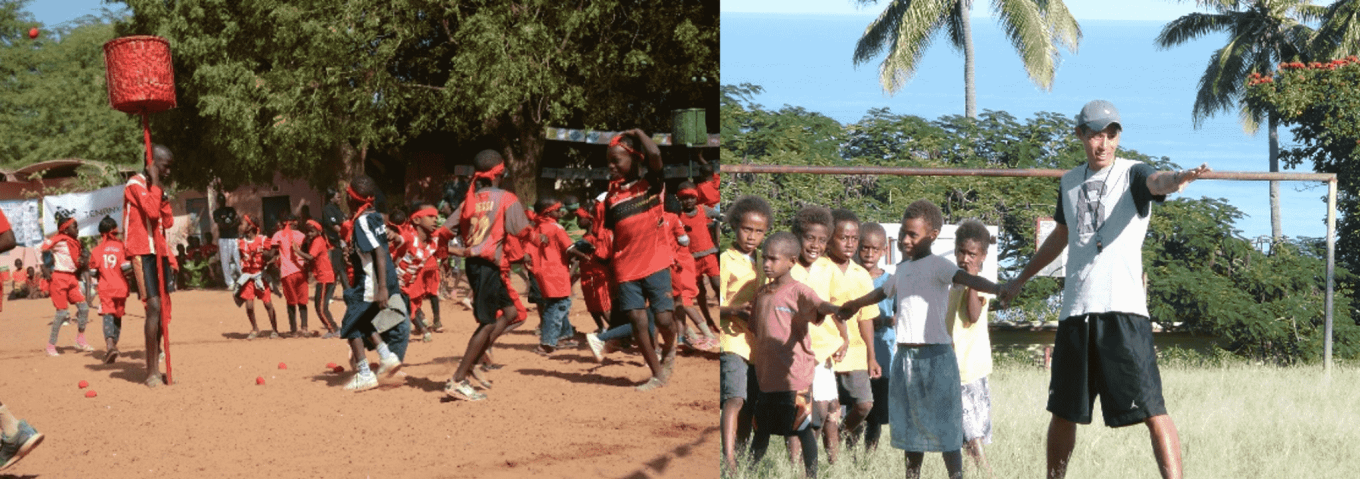
Since launching the Japan Overseas Cooperation Volunteer (JOCV) program in 1965, JICA has dispatched a cumulative total of 1,556 physical education volunteers as of March 2024. These volunteers provide advice on improving physical education at elementary, junior high, and high schools, develop teaching materials, support extracurricular activities and sports day events, and assist with awareness-raising activities for people with disabilities and local communities through health and sports offices.
In Vanuatu, volunteers promote physical education by visiting local elementary schools, co-teaching with local instructors, and providing pedagogical guidance. In Jamaica, volunteers introduced gymnastics and swimming to special education schools for the first time—activities that later inspired participation in the Special Olympics, motivating students with intellectual disabilities to pursue new goals through sport.
The Japanese-style UNDOKAI (sports day), introduced by volunteers, has also spread across multiple countries as a new type of school event. Unlike typical lessons where only a limited number of sports are taught in theory, UNDOKAI engages children in group-based physical activities that emphasize teamwork, cooperation, and whole-school participation. Teachers report that these events not only enhance physical participation but also improve students’ motivation and cooperation in daily learning. For local physical education teachers, UNDOKAI has also become a valuable opportunity to learn and practice methods for organizing and managing such events.
(Related article is available here)
Promoting Social Inclusion and Peace: Examples from “Development through Sport”
The “Social Inclusion and Peace” pillar aims to provide sports opportunities for women and persons with disabilities as a purpose of life and self-esteem, while promoting their social participation. It also seeks to ensure fair and equitable access to sports for all, fostering interaction and mutual understanding among diverse communities and contributing to the realization of a peaceful society.
Example 2: Promoting Women’s Social Participation – “LADIES FIRST” Women’s Athletics Competition in Tanzania
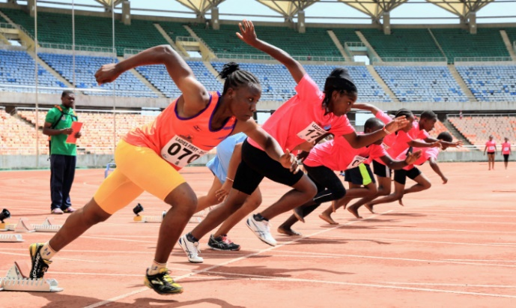
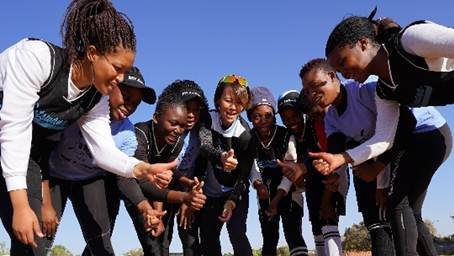
In Tanzania, while women’s social advancement has been progressing, deep-rooted beliefs that “sport is for men” persist, along with gender disparities in sports opportunities, domestic violence against women, and issues such as early pregnancy. To transform these social norms and promote women’s participation and empowerment, former marathon runner Juma Ikangaa took the initiative, and in partnership with JICA and Tanzania National Sports Council launched the country’s first women’s athletics meet, “LADIES FIRST”, in 2017. The event aims to enhance women’s social status through sport and to discover and develop athletic talent.
The fifth edition, held in November 2023, brought together approximately 160 athletes from 30 regions and over 1,500 spectators, including local elementary school students. Since September 2023, JICA has also dispatched a Sport and Development expert to assist in planning and implementing sports events, including “LADIES FIRST,” and to provide guidance on gender equality in school education and athlete development, while strengthening the capacity of local organizers and promoting women’s social participation / empowerment.
(Related article available here)
Example 3: Building Peace through Sport – South Sudan “National Unity Day”
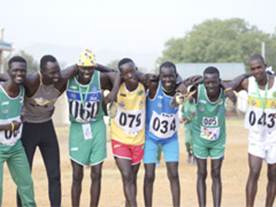
Following decades of civil conflict, South Sudan gained independence in 2011 but continued to face ethnic and political divisions. Motivated by the desire to help the next generation overcome ethnic divisions and build trust and unity among citizens through sport, JICA partnered with the Ministry of Youth and Sports of South Sudan to launch the national sports event “National Unity Day (NUD)” in 2016.
Held annually since its first edition in 2016, the event has steadily expanded, adding more sports and participants, with all regions now sending representatives and frequent scenes of interaction among youth from different ethnic groups. The 8th edition in January 2024 brought together 264 athletes under 17 years old from all 10 states and 3 administrative areas to compete in football, volleyball, and athletics. The 7th and 8th events adopted the sub-theme “Promoting Women’s Participation in Sport,” resulting in over 80% female participants.
Beyond competition, participating athletes return to their communities as “Peace Ambassadors”, implementing initiatives that foster ethnic harmony and gender equality, thereby contributing to peace and social cohesion through sport. National Unity Day continues to symbolize hope for peace and reconciliation through sport.
Toward a Peaceful World Where Everyone Can Enjoy Sport
Sport’s universal appeal makes it uniquely effective in attracting and engaging diverse stakeholders—from governments and NGOs to the private sector and local communities. Recognizing its potential to accelerate partnerships for achieving the SDGs, JICA continues to work with domestic and international partners to advance inclusive, sustainable development.
However, expanding collaboration with private companies remains a key priority. The sports industry holds significant potential not only to improve sports environments in developing countries but also to drive economic growth as an emerging business sector. Through programs such as Overseas Investment and Finance and SDGs Business Support for SMEs, JICA supports Japanese enterprises in leveraging their technologies and products to address social and economic challenges in developing countries. Sports-related companies and organizations are encouraged to explore these partnership opportunities.
(Related article available here)
JICA’s cooperation is rooted in a people-centered approach, ensuring that assistance reaches those who need it most. Moving forward, JICA will continue its efforts to build a peaceful society where everyone—regardless of gender, age, culture, social or economic status, or disability—can access and enjoy sport equally.
Learn more:
- [JICA “Sport and Development” Website]
- [Video: JICA’s “Sport and Development” Initiatives]
---
OGAWA Nao
Japan International Cooperation Agency (JICA)
Secretariat of Japan Overseas Cooperation Volunteers, Program Operation Division
Officer in charge of “Sport and Development”
After graduating from university, Mr. Ogawa served in El Salvador as a JOCV Kendo instructor starting in 2019, working to promote and teach kendo nationwide. After returning to Japan in 2020 due to COVID-19, he completed graduate studies and joined JICA’s Private Sector Partnership and Finance Department in June 2022. Since June 2023, he has served as the “Sport and Development” officer at the JOCV Secretariat, overseeing JICA’s initiatives in this field.
*Affiliation and title are as of March 2025.
Note: This article was originally published in Japanese on May 22, 2025. The original article can be accessed here.