
Inspired by the dream of working abroad, starting my own venture, and promoting kendo worldwide, I moved to the Philippines, where I now run a kendo equipment factory. In this column, I would like to share that, in global business, it is essential to see things firsthand, and that taking the first step forward makes all the difference.
My First Encounter with the Philippines’ Kendo Community
I started kendo as a child and kept practicing after university as part of a corporate team. In 2018, I left my job and moved to the Philippines—a decision that marked the beginning of my current path. Since around 2016, I had been visiting several Southeast Asian countries, driven by my dream of working abroad. Among the countries I visited, the Philippines especially attracted be because it had just joined the International Kendo Federation, was preparing to compete internationally, and English was widely spoken there.
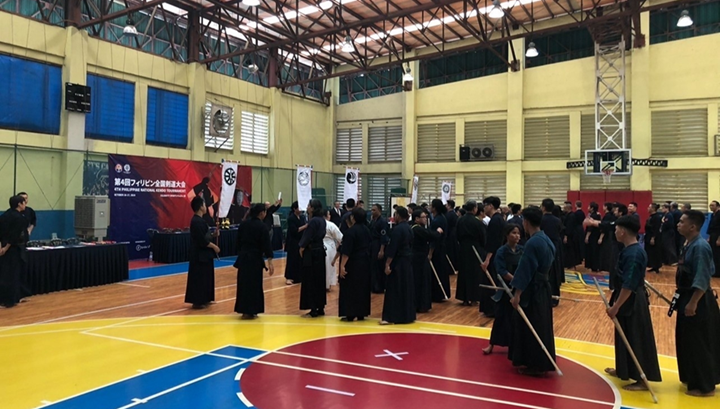
At that time, there were only about 200 kendo practitioners across the country, in addition to about 10 Japanese residents and expatriates, yet everyone trained with remarkable passion. In 2019, while serving as a referee at the national tournament, I discovered a local kendo equipment factory—a subsidiary of a Japanese martial arts store. Curious, I began researching the company, and through an introduction from a friend, I eventually connected with what is now my own business: Philippine Budogu Inc. (PBI).
Discovering the Factory and Choosing to Take the Helm
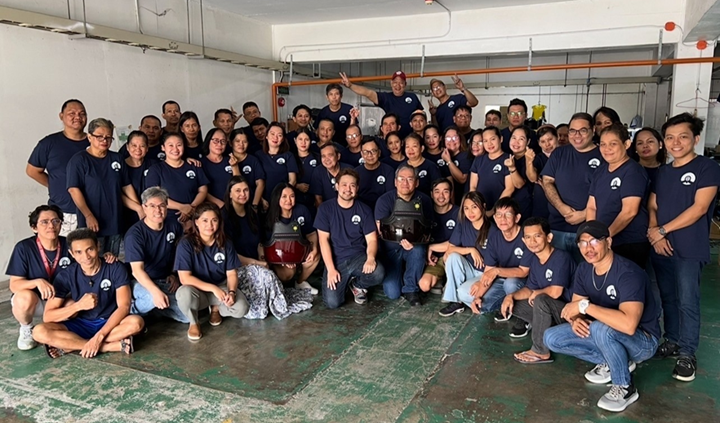
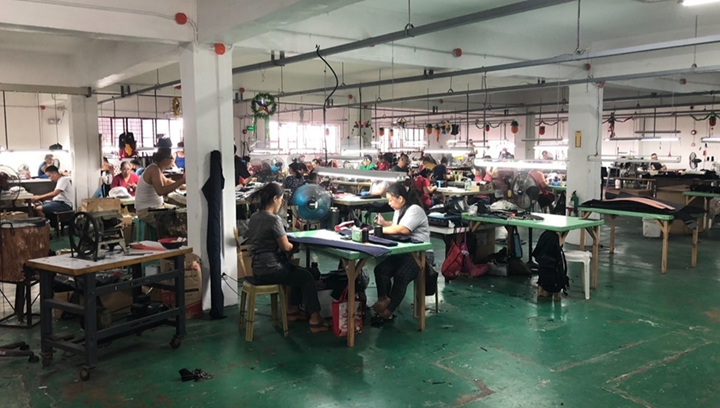
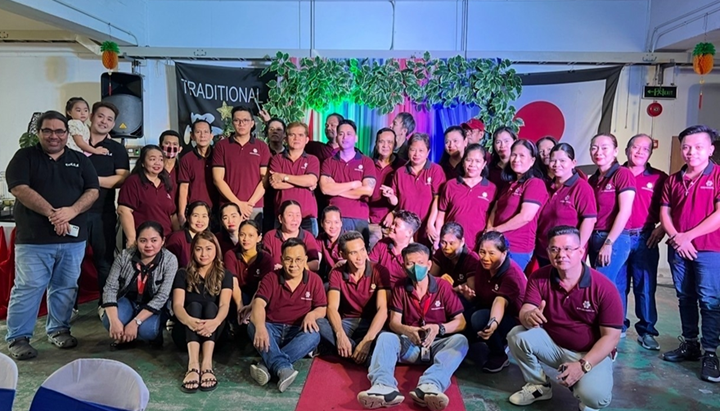
At that tournament, I spoke with the people running the factory and learned that it had a 30-year history and had just set up a local corporation. They also complained about the staff shortage. At the time, I had already decided to move to the Philippines, but I didn’t yet know what work I would do—I only knew I wanted kendo to remain part of my life. So, I started helping at the factory, almost casually. Then, in 2020, the COVID-19 pandemic pushed the factory into a severe financial crisis. Fifty employees and another fifty subcontractors depended on it for their livelihoods. Beyond that, the factory played a crucial role in making affordable kendo gear available, which was essential for the growth of kendo in the Philippines.
Seeing this situation, I made the bold decision in 2023 to take over the factory. Even knowing the financial struggles and the challenges ahead, I committed to preserving 100 jobs and supporting the development of kendo in the Philippines.
Bringing a Kendo Practitioner’s Insight into Product Development
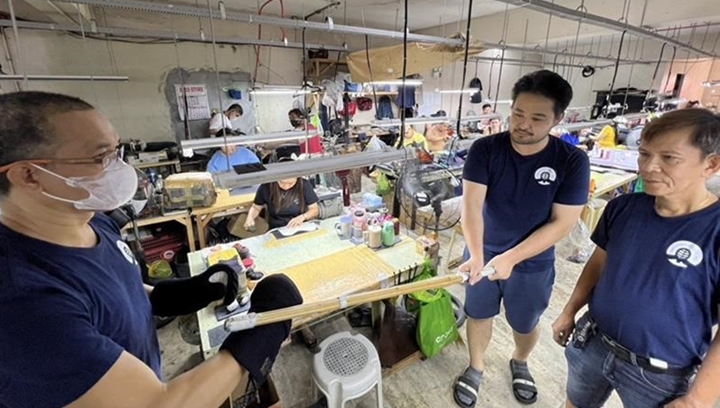
I quickly learned that practicing with kendo gear and producing it are worlds apart. Understanding the processes and materials was a steep challenge, but I drew on my decades of experience as a kendo practitioner to share with the craftspeople that make equipment truly user-friendly—and worked with them to improve it.
Many of the Filipino craftspeople had been making kendo gear for over 30 years, yet most had never seen kendo practiced and lacked the user’s perspective. To bridge that gap, I showed them kendo videos and even demonstrated the practice right in front of them. I also had them wear the gear they made while I struck them with a shinai, so they could feel firsthand that kendo equipment exists to protect the body—and understand the importance of comfort and fit.
Around the world, there are several kendo equipment factories, but most are run by non-Japanese owners, and even Japanese wholesalers rarely have kendo experience. That means feedback from actual practitioners almost never reaches the production floor. As a holder of Renshi 6 Dan with over 20 years of practice, my direct involvement in the factory might have been a rare, possibly first-of-its-kind effort globally. *
* Renshi: A formal kendo title awarded to practitioners who have achieved 6 Dan and demonstrated a solid command of fundamental principles.
The biggest advantage of this setup was that we could complete the entire PDCA cycle— discussing improvements, redesigning, creating prototypes, and testing them in training by myself—all in a single day. With most of the global kendo population in Japan and the majority of our products exported there, I was confident that my perspective matched what Japanese practitioners value. And with these improvements, I knew our products could earn strong recognition overseas.
Expanding Our Reach and Building Global Connections
While running the factory, I set out to visit every kendo club in the Philippines—listening to their needs and learning how they purchased their gear and worked on customer acquisition. Since no one else was selling kendo equipment locally, I launched full-scale domestic sales. With the support of Japanese kendo practitioners living in the Philippines, I began exploring opportunities not only in Southeast Asia but also in Europe and the United States. I traveled to dojos across the country, practiced alongside Filipino kendo enthusiasts, and built friendships along the way. Because the Philippines is an island nation, every trip meant taking a flight—but I didn’t hesitate, no matter how challenging.
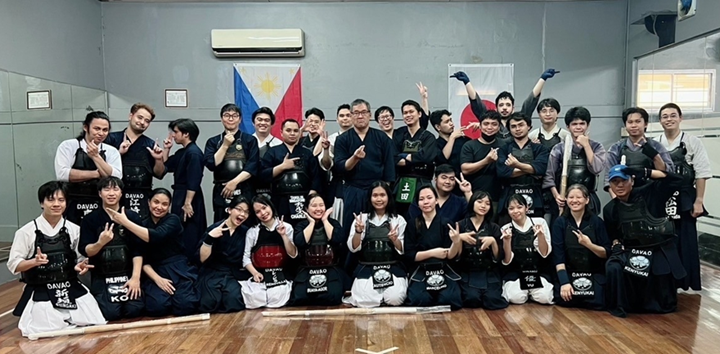
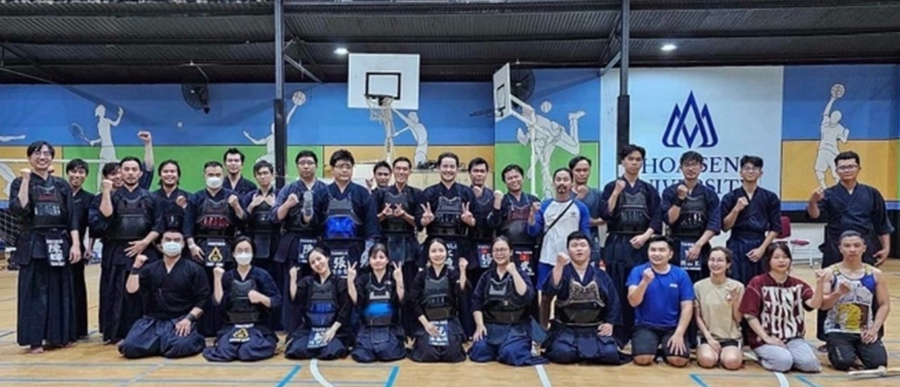
Leveraging my own experience as a kendo practitioner, I visited other countries, joined training sessions, and observed local conditions firsthand. With help from Japanese contacts abroad, I gradually opened sales channels in Europe, the U.S., and across Asia. None of this would have been possible without the support of many people. Through this journey, I experienced the true value of human connections. Sharing kendo as a Japanese cultural tradition and seeing it embraced abroad brought me great joy.
Opening a Directly Managed Store and New Challenges
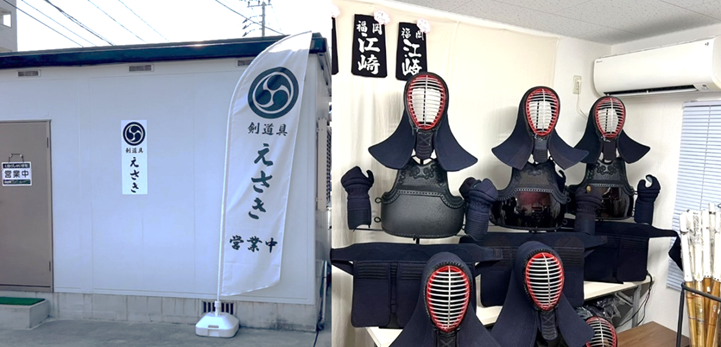
In 2024, a major shift in Japan’s school club system to community-based management hit us hard. Orders from major clients dropped by 50% compared to pre-COVID levels, putting the company’s survival at risk. Realizing I couldn’t rely on anyone else, I chose to take sales into my own hands. That decision marked the start of a dual life between Japan and the Philippines. In August 2024, I opened our first directly managed store, “Kendogu Esaki,” in my hometown of Fukuoka.
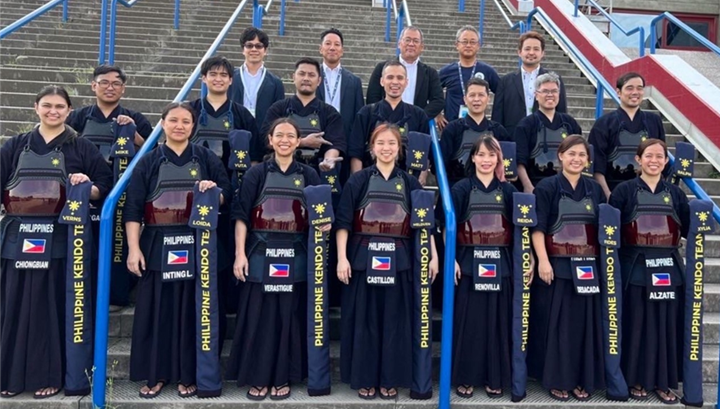
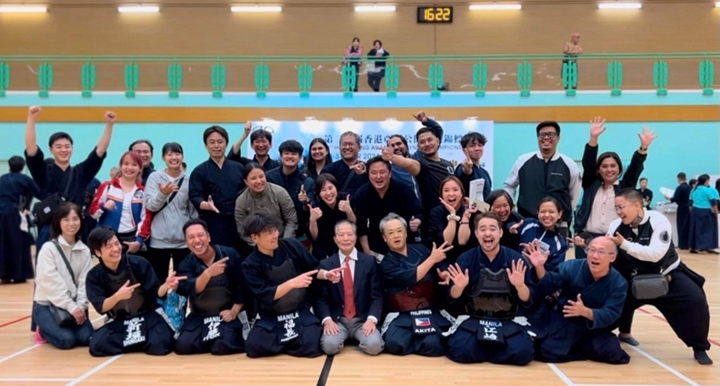
Around the same time, the Philippines national team made its debut at the World Kendo Championships in Italy, and I joined as coach. That experience helped me build new international connections. Sharing these moments in real time on social media caught attention and soon led to coverage in newspapers and magazines. I also used social media to showcase our factory in the Philippines—how our gear is made, what sets it apart, and the benefits of factory-direct pricing.
With support from many people and word-of-mouth from customers who appreciated our improved products, the reputation of our Philippine-made kendo gear gradually spread. This convinced me that our products still had strong potential in the market.
The Strength of Human Connections
From running a kendo equipment factory in the Philippines to opening a store in Fukuoka, my journey has been carried by the support of countless people. I’ve come to deeply appreciate the power—and the mystery—of human connections. What a respected senior business leader said still resonates with me:
“Do you realize how many people are reaching out to help you? It’s because they see your genuine commitment. Never lose that.”
What I value most in kendo equipment sales is not simply selling products—it’s supporting the kendo lives of those who trust us. As a practitioner myself, I approach every customer—whether a child or a senior—as a fellow kendo companion. I constantly ask myself what gear will truly serve them and bring joy—and that mindset guides everything I do in product development and sales.
A Message to Those Ready to Take on the World
If you’re thinking about starting something beyond your borders, here are three principles that have guided me:
- Go there in person: See it with your own eyes and feel it for yourself.
- Act boldly: Do not just think—take action.
- Cherish human connections: Relationships can open doors you never imagined.
Above all, commit wholeheartedly and act with sincerity.
My challenge in the Philippines is still a work in progress. But with the mission of building bridges through kendo—a tradition rooted in Japanese culture—and supporting practitioners’ kendo lives worldwide, I will continue moving forward with that mission at heart.
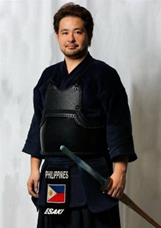
Yuta Esaki
CEO, Philippine Budogu Inc / Owner, Budogu Esaki
Born in Kasuga City, Fukuoka Prefecture. He began kendo in elementary school under the influence of his father, joined Fukuoka Josuikan dojo in junior high school, and competed in the All-Japan high school sports with Fukuoka Daiichi High School. After graduating from Aoyama Gakuin University, he joined Kyudenko Corporation (currently KRAFTIA). Inspired by a high school study abroad experience in Canada, he continued to dream of practicing kendo internationally and, in 2018, resigned to move to the Philippines. He now manages a kendo equipment factory there, operates a retail store in Fukuoka, and serves as coach of the Philippine national team.
*Titles and affiliations are as of August 2025.
Note: This article was originally published in Japanese on Aug 28, 2025. The original article can be accessed here.