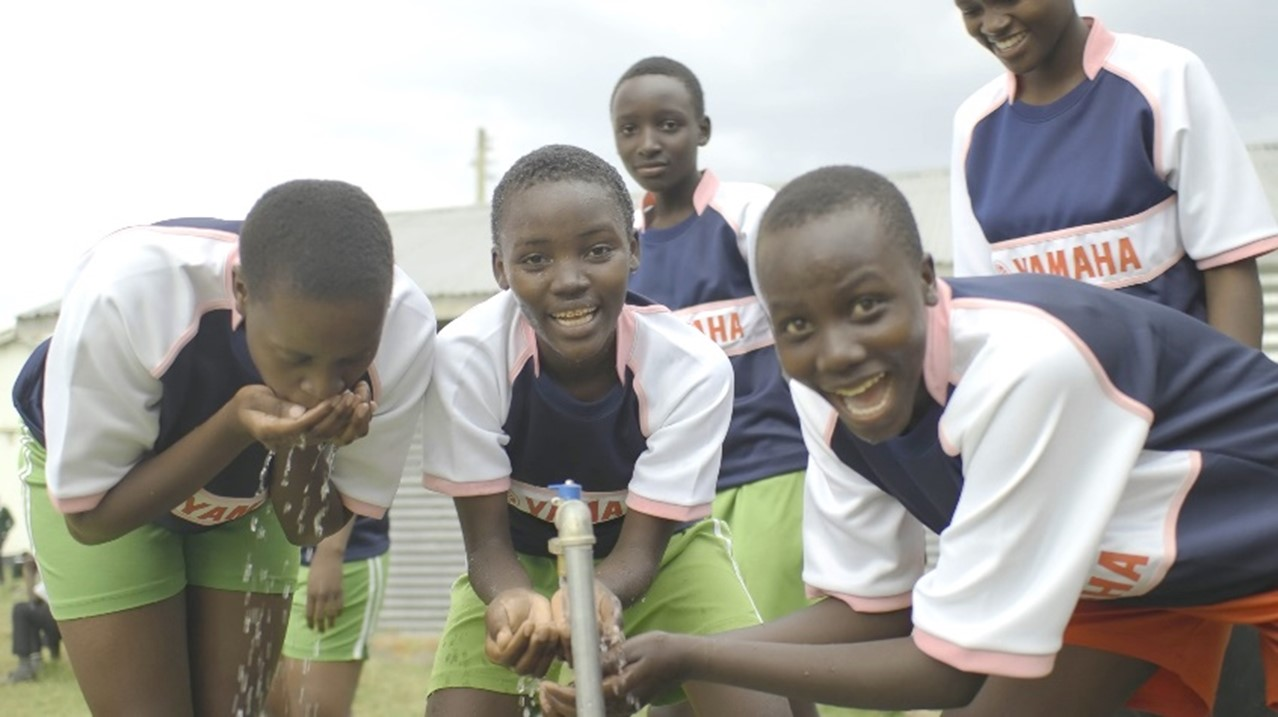

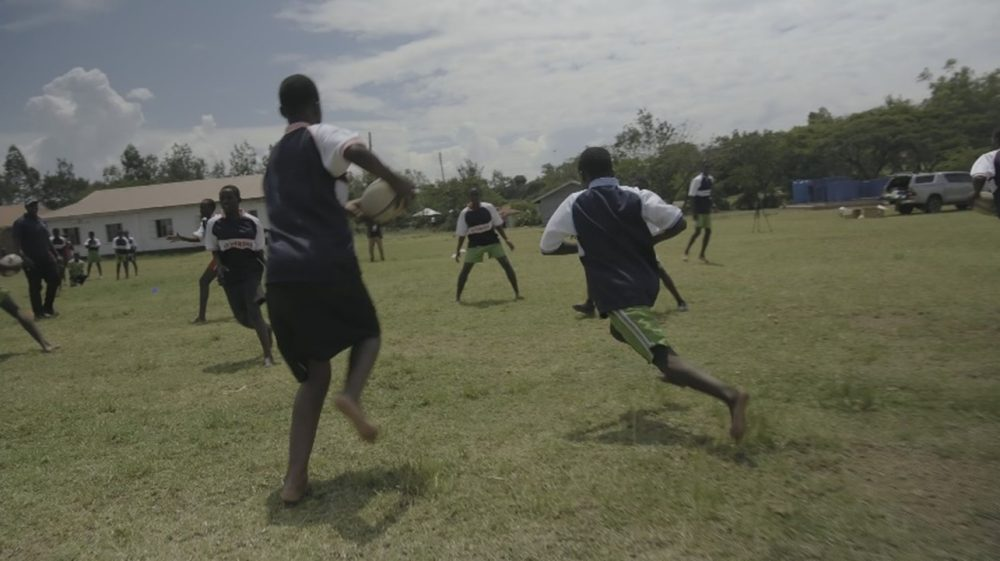
In Part 1, we introduced Yamaha Motor’s Clean Water System project implemented in Homa Bay, Kenya. The project was a success, and so was the rugby clinic. During the event, someone remarked: “Where there is water, people will come.”
Water and Sports as Keys to Community Revitalization
In Homa Bay, where water scarcity had long been a major problem, the installation of the Clean Water System enabled the local community to enjoy sports for the first time. While challenges remain, the ability to access clean drinking water—an essential condition for sports—has opened up new possibilities.
As a specific possibility, Local sports events could now be hosted in this area, and the nearby grounds could be opened for training. There are many ideas to explore, but one thing is clear: creating an environment where sports activities and events can thrive is a powerful driver of community revitalization.
Yamaha Motor’s Unique Project Design
What makes Yamaha Motor’s project design unique is its integration of rugby. Traditional international cooperation projects typically follow a “one problem, one solution” model: the project’s output—immediate results—is regarded as achieved once drinking water is supplied.
However, Yamaha Motor aimed for outcomes— longer-term results. From my own experience in international cooperation, outcomes never happen through local effort alone. Achieving them requires a trigger—a catalyst. In this case, that trigger was rugby. Demonstrating this trigger during the project itself was, I believe, the key point.
Only time will tell what outcomes will take shape—perhaps a star rugby player will rise from this region, or something unexpected altogether. Or perhaps nothing will come of it. But one thing is certain: without pulling the trigger, no outcome can happen.
I have great expectations for Yamaha Motor’s dual-focus project combining water and rugby.
Kenya’s Sports Industry: Current Situation and Challenges
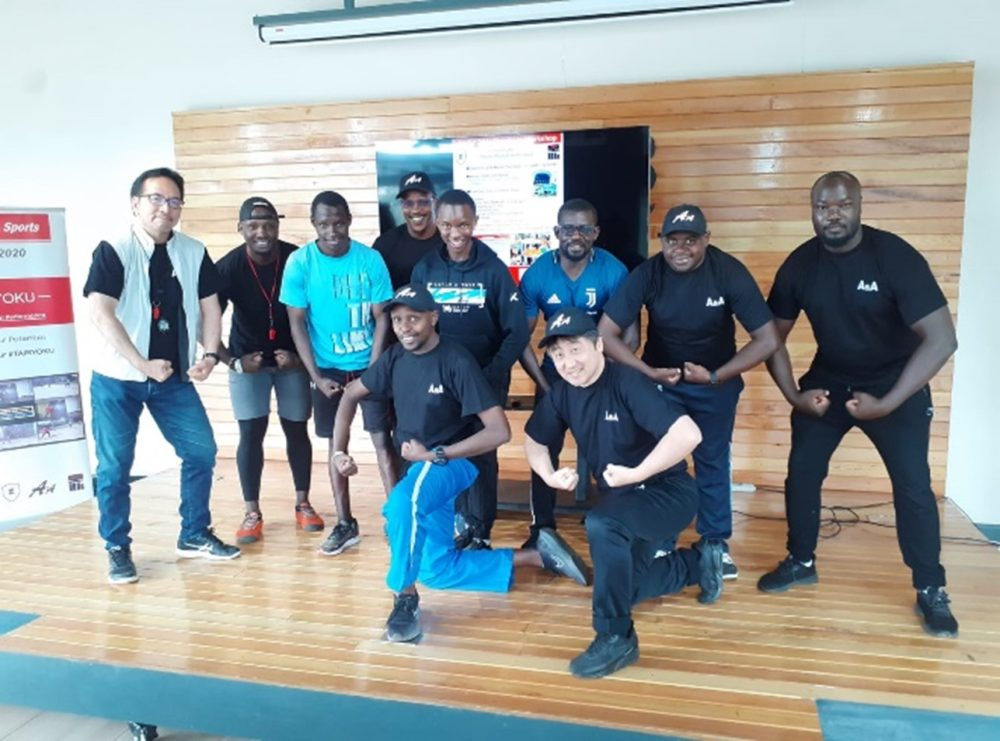
A&A (Aizono and Associates Limited) is a business consulting firm founded in February 2013 in Nairobi by myself, AIZONO Kenji, together with a Kenyan partner. Since its establishment, we have supported numerous Japanese companies and organizations expanding into Kenya. Drawing on that experience, we launched the “A&A Sports 2020” platform in 2020 to help cultivate Kenya’s sports industry.
Kenyan athletes possess exceptional potential, and their future success in international competitions is highly anticipated. Yet, many challenges prevent them from realizing that potential. The main issues include:
1. Inadequate sports environments
A shortage of facilities like gymnasiums and equipment. Sports medicine and sports science are also underdeveloped, limiting proper athlete management.
2. Lack of youth development systems
Young people have limited opportunities to engage in organized sports activities, and systems to identify and nurture talented youth are insufficient.
3. Challenges in Kenya’s sports business
Most sports clubs and teams operate in deficit with minimal ticket revenue and heavy reliance on sponsorship, lacking financial independence.
At the root lies the absence of a defined “sports industry” concept in Kenya. Many problems remain unaddressed, restricting the growth of athletes and sports professionals. Yet, from another perspective, this situation presents vast business opportunities for Japanese companies.
Strategy for Market Development Through Sports
A&A’s sports platform promotes the growth of Kenya’s sports industry based on the following four pillars:
- Do Sports(Support Competitive Sports / Support Lifelong Sports)
- Academic Sports(Support Development of Younger Human Resource in Sports Sector)
- Sports Entertainment(Support Income generation of Entertainment Event)
- Sports Business(Support Sports business and project
Japanese companies often find it difficult to understand local market characteristics and consumer behavior in Kenya. Our approach is to use the “sports sector as an entry point” to open the door to Kenyan market.
Case Study: Opportunities in Handball
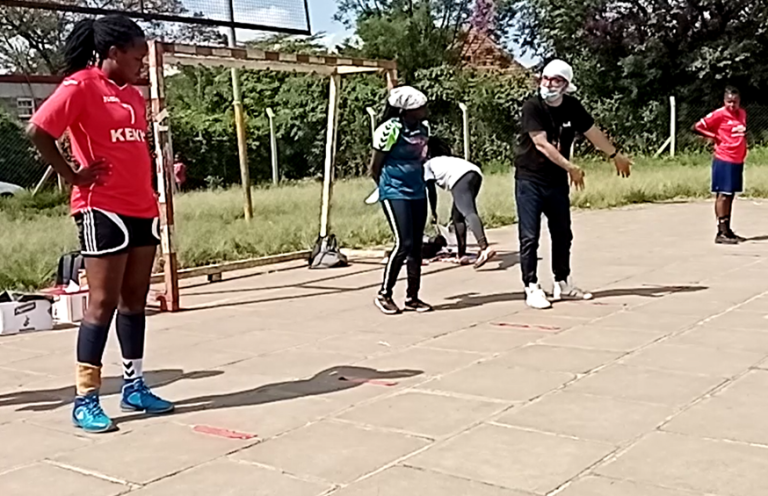
Here, we highlight a concrete example from Kenya’s sports sector: the challenges and opportunities related to handball. Handball is a popular sport in Kenya and is part of the physical education curriculum at secondary schools (equivalent to Japanese high schools). While many students have played, the national competitive level remains lower than in Europe or the U.S.
One major reason is insufficient practice time. Although there are many outdoor courts, few have lighting systems, making practice after sunset impossible. Indoor gymnasiums are also scarce nationwide, severely restricting training hours.
These challenges represent opportunities for Japanese companies. For instance, solar-powered lighting systems could extend training hours not only for handball but also for other sports disciplines. Focusing on specific solutions—such as extending training hours into the evening—and building real dialogue with local stakeholders can create more meaningful market development, rather than relying on generic market surveys that often lead to price competition. Volleyball and basketball face the same challenge—limited facilities and training hours.
Example Entry Points for Japanese Businesses
Sports equipment
| # | Item | Potential companies/organizations | Notes |
|---|---|---|---|
| 1 | Uniforms, shoes | Textile companies | |
| 2 | Balls, rackets | Sports manufacturers | |
| 3 | Stopwatches | Watch manufacturers | |
| 4 | Gym equipment | Fitness equipment manufacturers | Grip strength meter not for sale in Kenya |
Sports facilities
| # | Item | Potential companies/organizations | Notes |
|---|---|---|---|
| 1 | Indoor/outdoor lighting | Textile companies | Contributes to increased training time |
| 2 | Construction of gymnasiums | Construction companies | Few gymnasiums in Kenya |
| 3 | Turf | Artificial turf manufacturers |
Sports medicine
| # | Item | Potential companies/organizations | Notes |
|---|---|---|---|
| 1 | Injury and rehabilitation equipment | Medical device manufacturers | |
| 2 | Nutritional supplements | Food and nutrition companies | |
| 3 | Physiotherapists | Clinics |
Sports events and management
| # | Item | Potential companies/organizations | Notes |
|---|---|---|---|
| 1 | Event business management | Consulting firms, IT companies, advertisement agencies |
Others
| # | Item | Potential companies/organizations | Notes |
|---|---|---|---|
| 1 | Media | Japanese sports media | International sports events including Nairobi Marathon |
| 2 | IT/video editing | Video creators | Including data management |
The “TAIRYOKU Check Up” Program
Since 2020, A&A has operated the “TAIRYOKU Check Up” program in Kenya—an adaptation of Japan’s school fitness testing system. The program targets athletes of sports club teams, school staff, and gym trainers and members, with around 820 participants so far. Half of the participants paid about 1,200 yen, while the other half joined for free.
Based on Japan’s standard fitness assessments, the program measures grip strength (handgrip), sit-ups (abdominal exercise), sit-and-reach (flexibility test), and side-steps (lateral agility test), among other exercises, to comprehensively evaluate participants’ physical fitness. Each participant receives a personalized certification card (a record of their fitness results) that clearly shows their strengths and weaknesses. More and more participants are returning for second and third check-ups.
Our immediate goal is simple: to have all 55 million Kenyans eventually take a fitness test. We are steadily working toward this first milestone. If you’re interested in joining these fitness check-up activities, we’d love to hear from you.
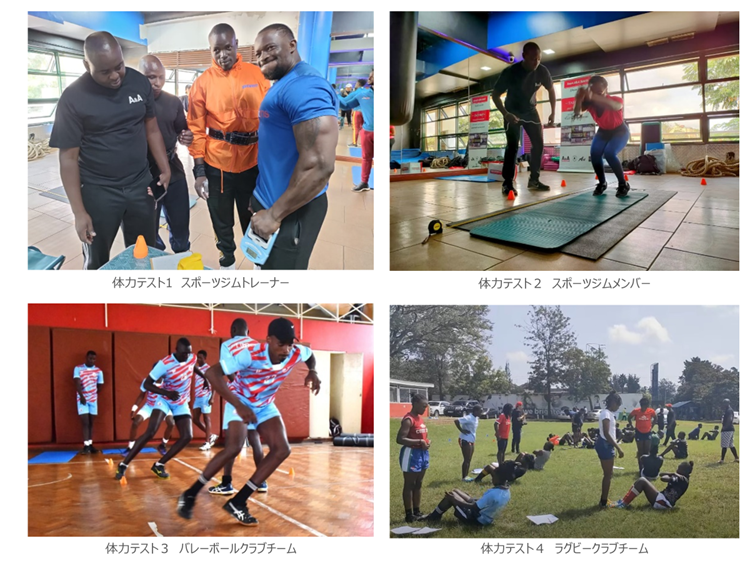
Fitness Test 2: Sports gym members participating
Fitness Test 3: Volleyball team members participating
Fitness Test 4: Rugby team members participating
Conclusion
Kenya’s sports sector holds both challenges and immense business opportunities. Japanese companies’ technological capabilities and dedication to quality can bring tremendous value to the country’s sports environment.
As demonstrated by Yamaha Motor’s “dual approach” project of water and rugby, initiatives that go beyond product or service delivery—addressing social issues and fostering sustainable development—become powerful models for long-term international cooperation and market growth. Sports have the power to connect people and transform societies. By harnessing that power, we can create new opportunities and shape a future where Japan and Kenya thrive together. This approach could serve as a new model for international cooperation and overseas business.
References:
Video in English and with English subtitles: Turning Clean Water into Smiles - YAMAHA Clean Water Supply System - YouTube
◇AIZONO Kenji
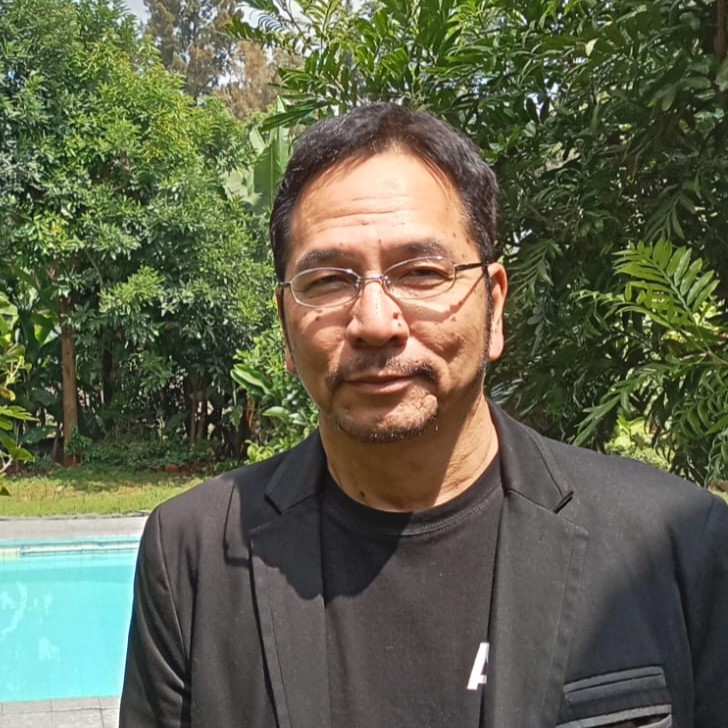
Managing Director of A&A (Aizono and Associates Limited). Established A&A in Nairobi, Kenya, in 2013 to support Japanese businesses entering Kenya and promote international cooperation through sports. Founded “A&A Sports 2020,” a sports development platform, contributing to Kenya’s sports industry. Since 2024, he has also served as Chairperson of the Aizono Kenji Foundation. JSPIN Advisor.
Note: This article was originally published in Japanese on Aug 21, 2025. The original article can be accessed here.