
Around 2.2 billion people worldwide still lack access to safe drinking water, and more than 100 million rely on untreated sources such as rivers and springs. According to the United Nations, contaminated water causes diarrhea and infectious diseases, leading to the deaths of nearly 1,500 infants every day. Ensuring safe water is a key global challenge and one of the Sustainable Development Goals (SDGs), specifically Goal 6: “Clean water and sanitation.”
This column introduces how Japanese companies are addressing this issue through Yamaha Motor’s clean water initiatives in Kenya. In October 2022, Yamaha Motor installed a “Yamaha Clean Water System” at a secondary school (equivalent to a Japanese high school) in Seka Kagwa Village, Homa Bay County, located near Lake Victoria in western Kenya. Notably, the project goes beyond simple technology transfer—pairing clean water solutions with a vision for community revitalization through sports. For companies and organizations considering expansion into the Global South like Kenya, this initiative offers a compelling blueprint for future overseas strategies.
Water Issues in Homa Bay County, Kenya
Homa Bay County faces multiple water challenges—from resource scarcity to inadequate supply systems and management. Although the area borders Lake Victoria—Africa’s largest lake, covering about 68,000 square kilometers and 100 times the size of Lake Biwa—its water remains unsuitable for drinking due to contamination, causing diarrhea and waterborne diseases. Women and children spend hours each day fetching water, prompting frequent discussions about using that time more productively—for education or sports, for instance.
Features of the “Yamaha Clean Water System”
Yamaha Motor began tackling this issue in the early 2000s and launched the “Yamaha Clean Water System” in 2010. Over two decades of research and improvement have made this system both innovative and sustainable.
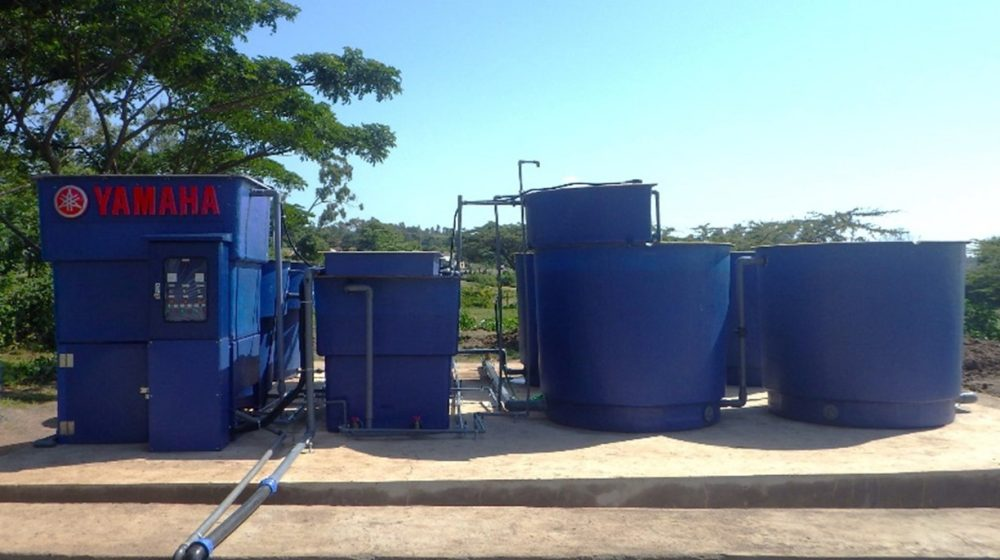
Its most distinctive feature is the use of “slow sand filtration,” a process inspired by nature’s own purification mechanisms. This compact unit (approximately 10 meters wide and 8 meters long) converts surface water from rivers or lakes into drinking water. The sand-based system combines physical filtration, using layers of sand and gravel, and biological purification through a biofilm formed at the top of the sand bed.
Requiring neither advanced expertise nor large amounts of electricity and no chemicals other than chlorine, the system can be operated and maintained by local residents. A single large-scale unit can supply up to 8,000 liters of drinking water per day—enough for about 2,000 people—while reducing contaminants to levels below WHO drinking water guidelines.
The project went beyond simply installing the system, providing support to set up and run a local water management committee. Today, the committee ensures a steady water supply and proper maintenance. The initiative is also being scaled to three villages along Lake Victoria’s shores, with hopes for a broader impact in the years ahead.
“Blue Ties” Project: Community Engagement Through Sports
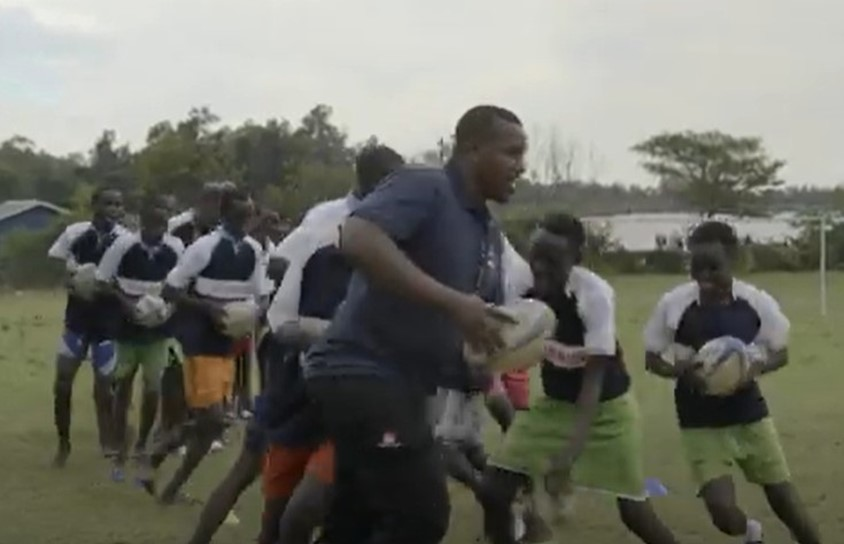
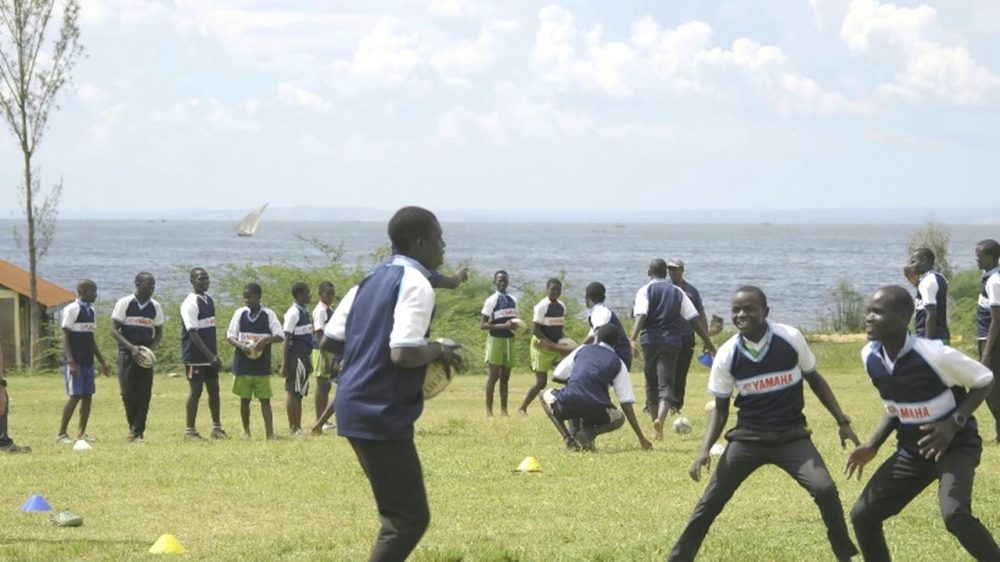
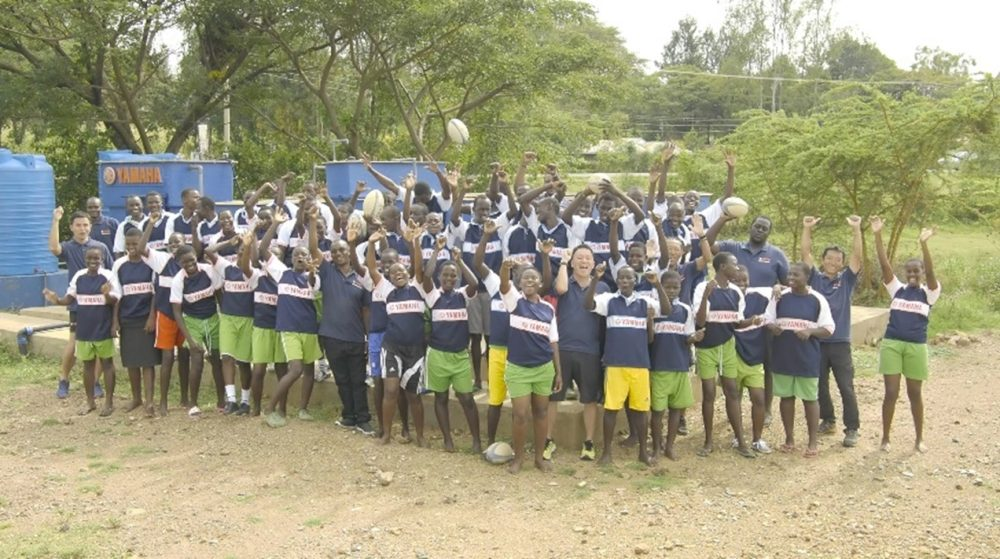
Yamaha Motor’s innovative approach combined clean water initiatives with sports. In April 2023, Yamaha Motor partnered with SHIZUOKA BlueRevs, a team in Division 1 of Japan’s top rugby league, Japan Rugby League One, to launch “Blue Ties,” a community outreach program. Beyond handing over the Yamaha clean water system, the project included an event where SHIZUOKA BlueRevs donated rugby gear to students of the local secondary school, followed by a rugby clinic that allowed the students to experience the joy of both sport and safe water.
Through rugby’s spirit of “One for All, All for One,” the project provided opportunities for students to learn teamwork and cooperation.
Challenges in Kenya’s Education and Sports Environment
Many Kenyan schools lack proper health and physical education programs, and where such programs exist, they often remain at a recreational level. While the national primary school net enrollment rate stands at 92.5%, regional disparities persist. Mental health issues among youth—such as suicide, early pregnancy, delinquency, drug abuse, and school dropouts—are growing societal concerns.
In this context, providing structured sports opportunities can help teach social skills like rule-following and group discipline, inspiring educators, parents, and community leaders to recognize the value of fair play and the joy of physical activity.
The Smiles of Children
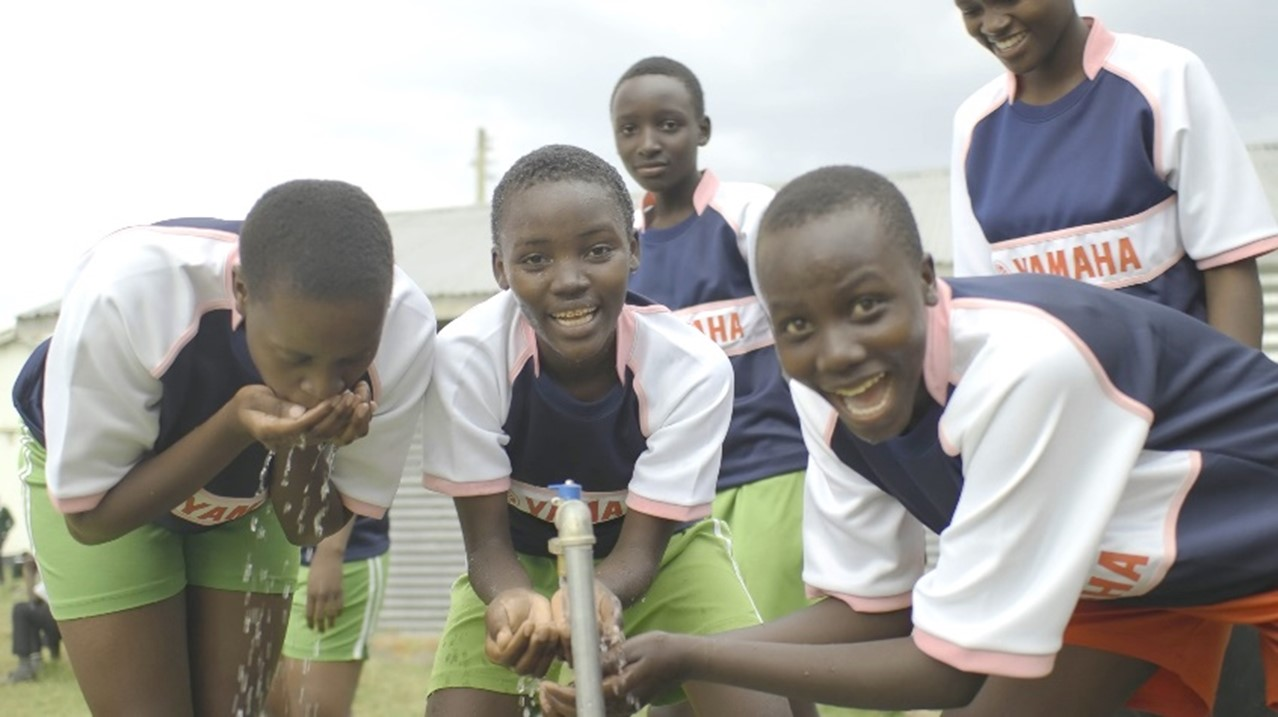
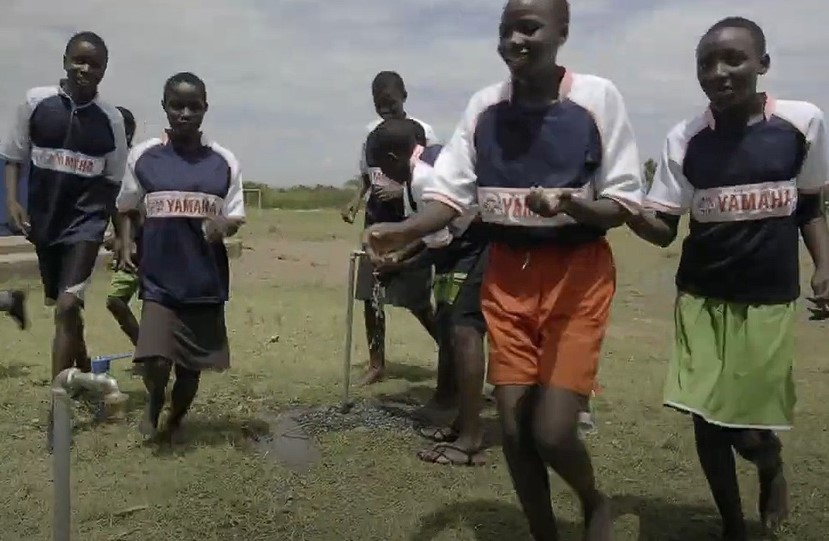
The scene after the clinic left a lasting impression. No student hesitated to drink the water in fear of illness; instead, they ran eagerly to the newly installed tap, gulping down water eagerly with bright smiles. Their joy reflected not only the refreshment after exercise but also the relief of drinking clean, safe water. A Yamaha Motor staff member remarked, “Seeing their smiles makes it all worth it.”
For those involved in manufacturing, this moment offered deep insight. It reminded them that the ultimate purpose of their work—beyond factory walls—is to improve people’s lives. Creating opportunities for manufacturers to engage with both customers—who choose Yamaha Motor’s products—and beneficiaries—who gain from their broader initiatives—across borders, while fostering mutual understanding, will be essential for future projects in the Global South.
“No Water, No Sports”
One clear realization emerged from this project: “No sports without water.” Though obvious, the experience brought this truth home. In regions where even living is hard due to water scarcity, playing sports may seem out of reach—and indeed, sports rarely thrive in such areas.
Traditional international cooperation projects—including business initiatives—often follow a linear model: one problem, one solution. Project plans typically use terms like “input” and “output.” In this case, if water is contaminated, a project begins to clean it, and the water is clean when the project is complete.
However, project plans also include “outcomes”—long-term results—which often depend on the beneficiaries’ own efforts. True sustainability always begins after the project ends.
Back in Homa Bay, the system was handed over to the local community, the water committee was functioning well, and the rugby clinic concluded successfully. Then, someone remarked: “Where there is water, people will come.”
To be continued in Part 2.
◇AIZONO Kenji
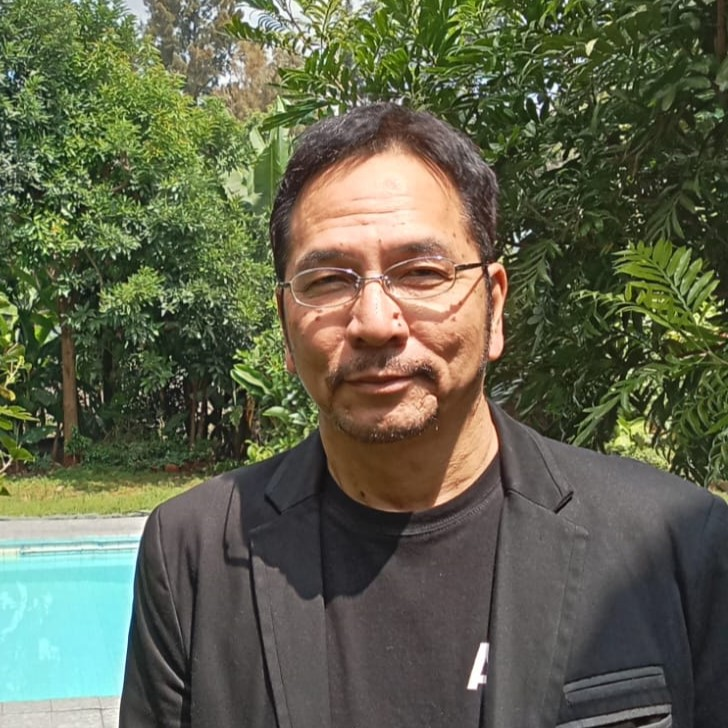
Managing Director of A&A (Aizono and Associates Limited). Established A&A in Nairobi, Kenya, in 2013 to support Japanese businesses entering Kenya and promote international cooperation through sports. Founded “A&A Sports 2020,” a sports development platform, contributing to Kenya’s sports industry. Since 2024, he has also served as Chairperson of the Aizono Kenji Foundation. JSPIN Advisor.
Note: This article was originally published in Japanese on Aug 14, 2025. The original article can be accessed here.